
Awesome Nature was created to guide people to Nature, to immerse themselves and begin the path to mental fitness and wellbeing.The time spent in nature can be a quiet, powerful support for mental health. A growing body of evidence shows that being outdoors can help ease anxiety, support recovery from trauma and PTSD and nurture a greater sense of emotional balance.At the heart of Awesome Nature's work is a feeling; a soft return to stillness, space to breathe, a reminder that we're not separate from the world around us, but part of it.
Here, nature becomes more than a place; it becomes a gentle partner in healing.
ABOUT US
“Over the years I’ve spent in the outdoors, I’ve come to deeply value the quiet spaces nature offers and the gentle way it helps restore our sense of balance and mental wellbeing.I created Awesome Nature to give people a means to reconnect with something many cultures have long understood. Time in nature can support us, especially when we’re feeling overwhelmed by stress, anxiety, or past experiences. In a fast-moving modern world, it’s easy to lose our sense of self. Nature offers us a way back.I want to help people make those first steps into the openness of the natural world, to slow down, breathe deeply, and reconnect with themselves, with others and with something larger. In doing so, they can begin to restore balance, find perspective, and gently rebuild a sense of peace.
At Awesome Nature we are here to walk alongside you at the beginning and throughout the journey, offering guidance, space, and support as you discover how the outdoors can help you feel more grounded, present, and at ease.”
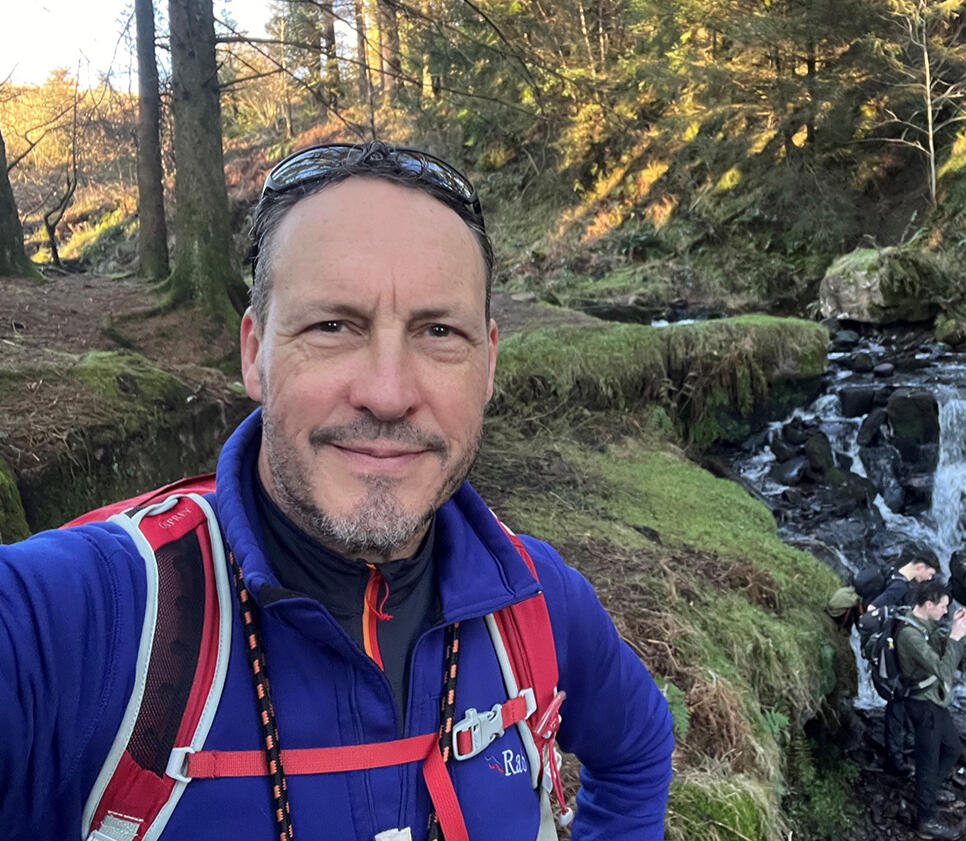
Founder and Guide Kevin Spear

Nature Immersion
We can use Immersion in Nature to reconnect to something greater than ourselves. Studies show Nature Immersion helps with trauma recovery and supports continued Well Being and Mental Fitness. We talk here about Eco Therapy, Attention Restoration Theory and the experience of Awe and use these topics as a gateway to support and healing.
Nature Immersion can provide an important support mechanism for us all.

About Awe
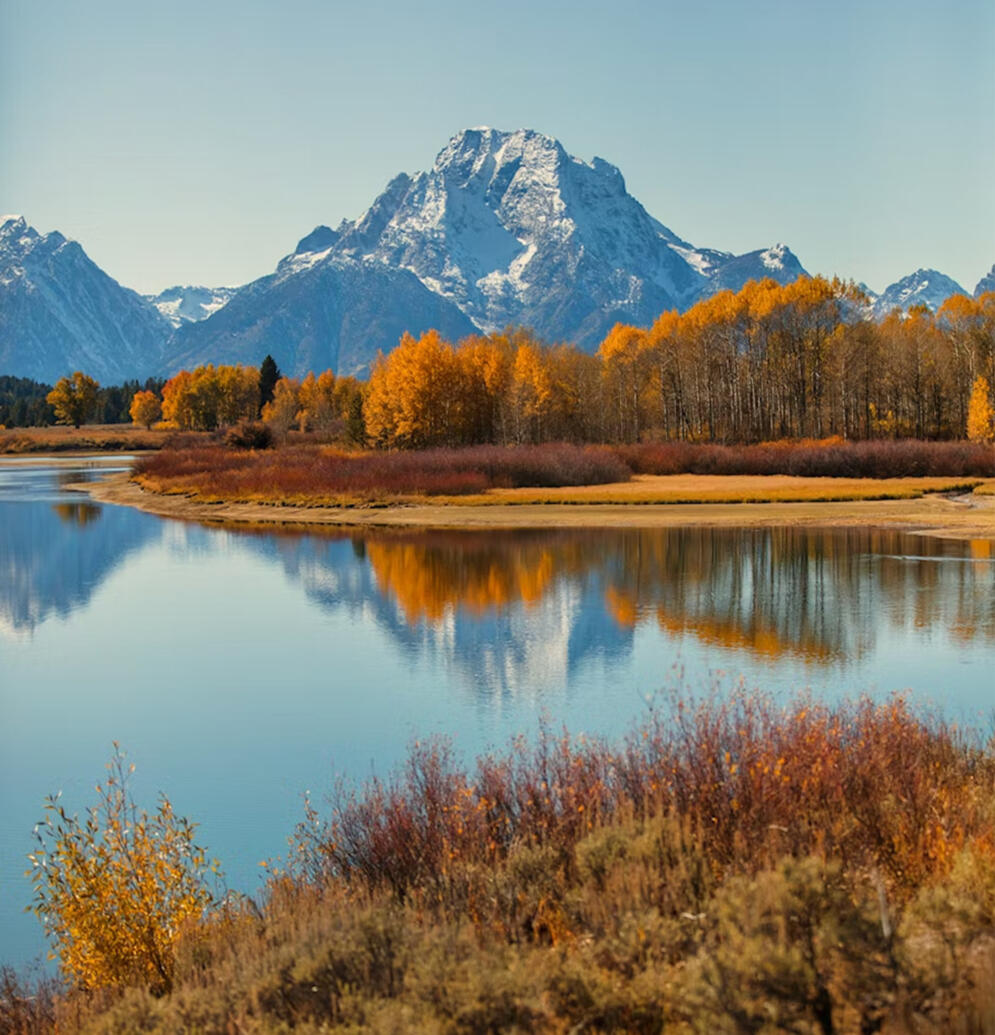
Awe - something vast and mysterious. When encountering awe, we are touched by emotion. These emotions can be experienced through creation, love, music, dance, but we are going to focus on nature the most common place to experience awe.Imagine a quiet kind of peace that finds you when we stand still before something awesome, vast and wonderous.
We come from this place. We belong to this place.Awesome Nature invites you to immerse yourself - stepping away from noise and stress and returning to the wild places that steady us.Not just looking at what surrounds us, but learning to be part of it
Awesome Nature Outdoor Guided Tours and Experiences have been created to offer a simple, compassionate pathway back to support. Using Nature Immersion, we encourage moments of Awe, Reflection, and Reconnection, helping to restore a sense of calm and strengthen mental fitness over time.Each experience is held by a caring guide and shaped around the shared needs of those who join. We honour that everyone comes with their own story, so we create a supportive space where the group can find ease, connection, and a sense of belonging in nature.Below you’ll find our current experiences and trips for 2026; invitations to pause, reconnect, and nurture your wellbeing in the natural world. Group numbers will be no more than 6 members and bespoke trips for smaller groups are available
01 | Mountain Walk

02 | Night Sky experience

03 | High Atlas Mountains Morocco
04 | Seclude Cove - Wild camp
Your Guide Kevin Spear
With a lifetime spent appreciating the outdoors, Kevin has developed a deep, personal connection with the natural world. Through his own experience, he has come to understand the quiet, restorative power that nature offers; not just as a place to visit, but as a space to return to, again and again, for calm, clarity, and renewal.He created Awesome Nature to open a doorway for others. It is a chance to share what he’s learned and to support people in finding their own way back to balance. Through gentle guidance and time spent in nature, his aim is to help others reconnect, heal, and build a deeper sense of wellbeing at their own pace.
Welcome to our Blog - Awesome Natures Insights
Take a moment to read and explore

01 | How Nature Immersion Helps Trauma Recovery: A Practical, Evidence-Based Guide Introduction

02 | How to use Awe
03 | What is Ecotherapy

04 | Attention Restoration Theory
Contact
If you would like to know more about any of our Events and Immersive Experiences or want to discuss a bespoke requirement, please email us
Thank you
Your email will be answered within 24 hours

How Nature Immersion Helps Trauma Recovery
A guide to Nature Immersion
Many people dealing with anxiety or trauma are told to “just go outside.” But if you’ve experienced trauma, that advice can feel vague, or even frustrating.The truth is, not all time in nature is equal.When used intentionally, nature immersion can help regulate your nervous system, reduce stress, and create moments of relief from overwhelming thoughts. In this guide, you’ll learn how nature actually affects the brain, why concepts like Attention Restoration Theory matter, and simple, practical ways to use nature to support recovery.Why Nature Helps the Nervous System - Spending time in natural environments has measurable effects on the body and mind.
Research in areas like Ecotherapy suggests that nature exposure can:
• Lower cortisol (your body’s primary stress hormone)
• Improve focus and attention
• Reduce symptoms associated with Post-Traumatic Stress Disorder
One explanation comes from Attention Restoration Theory, which proposes that natural environments gently engage your attention without overwhelming it. This allows your brain to recover from mental fatigue and constant alertness—something many trauma survivors experience.
Nature also provides something else that’s harder to measure but just as important: a sense of space. That space can interrupt cycles of rumination and hypervigilance.
5 Practical Ways to Use Nature for Trauma Support
You don’t need long hikes or remote forests. Small, consistent practices can make a real difference.
1. Sensory Grounding in Nature
What it is: Using your senses to anchor yourself in the present momentHow to do it:
Notice 5 things you can see
4 things you can feel
3 things you can hearWhy it works: This reduces overactivity in threat-focused thinking and brings your awareness back to your body.
2. Slow Walking (Without a Goal)
What it is: Walking slowly without a destination or objectiveHow to do it:
Walk at half your normal pace
Focus on your surroundings, not your thoughtsWhy it works:
Slowing your movement signals safety to your nervous system.
3. Sit Spot Practice
What it is: Returning to the same outdoor place regularlyHow to do it:
Choose a quiet spot (park bench, tree, garden)
Sit there for 5–10 minutes dailyWhy it works:
Familiarity builds a sense of stability and reduces environmental stress.
4. Regulated Breathing Outdoors
What it is: Controlled breathing in a natural settingHow to do it:
Inhale for 4 seconds
Exhale for 6–8 secondsWhy it works:
Longer exhales activate the parasympathetic nervous system (your “calm” state).
5. Gentle Attention Shifting
What it is: What it is: Letting your focus move naturally between elements in your environmentHow to do it:
Watch leaves move
Notice changing light or soundsWhy it works:
This aligns with how your brain naturally recovers attention without strain.

The Quiet Power of Awe
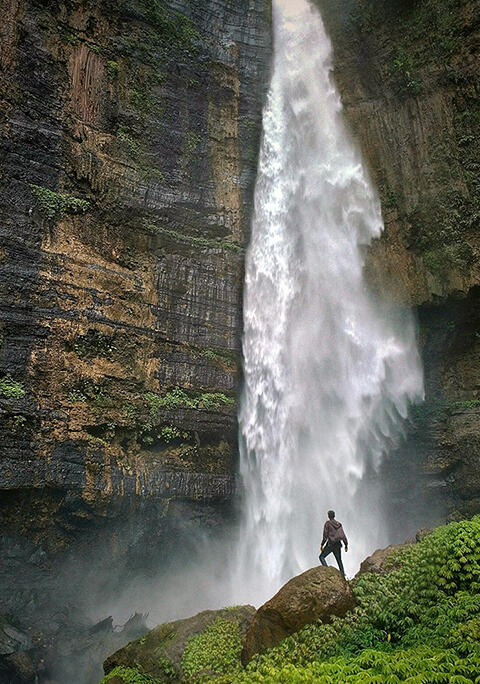
Awe is the feeling you get when you encounter something vast or deeply meaningful, like a wide landscape, a quiet forest, or even the sky at sunset.
There are moments in nature when something shifts quietly inside us.
Standing beneath a wide sky, walking through ancient woodland, or watching light move across the hills—something opens. Not dramatically, but enough.This is the feeling of awe.In those moments, the weight we carry can begin to loosen. The need to hold everything together, to control, to keep pushing—it softens. Without effort, without instruction, we find a little more space within ourselves.This is where a gentle form of letting go begins.Not renunciation in the sense of giving things up, but a natural easing of our grip. A reminder that we don’t have to carry everything so tightly. That it’s possible to feel grounded, connected, and quietly restored without striving for it.Time in nature offers this without asking anything in return.
It doesn’t fix us or change us. It simply invites us back—to a place where clarity, balance, and perspective can return in their own time.And from that place, something important happens.We begin to need less, and feel more.Psychologist Dacher Keltner has studied how awe can:• Reduce self-focused thinking
• Increase feelings of connection
• Shift perspective away from stressFor trauma recovery, this matters.
Awe creates a temporary break from the “threat loop” in the brain. It reminds you that there is more happening around you than the internal experience of stress or fear.
Even small moments, like noticing the scale of a tree or the movement of clouds, can trigger this response.A Simple 10-Minute Nature Routine - If you’re not sure where to start, try this:
Go to a nearby green space (park, garden, or quiet street with trees)
Spend 2 minutes noticing your surroundings
Spend 3 minutes focusing on your breath (long exhales)
Spend 3 minutes observing one natural element (e.g., leaves, sky)
Spend 2 minutes simply sitting without trying to “do” anything
This isn’t about forcing calm—it’s about creating the conditions where calm can emerge.What to Avoid - If you’re not sure where to start, try this:
There are a few common mistakes that can make this less effective:
Expecting immediate results
Forcing yourself into environments that feel unsafe
Treating nature as a replacement for professional support
Nature can support recovery—but it works best as part of a broader approach.
Working with Ecotherapy
ECOTHERAPY
Finding Your Way Back to Nature, and YourselfLife can feel overwhelming sometimes. Between constant notifications, busy schedules, and the pressure to keep up, it’s easy to feel disconnected—not just from others, but from ourselves. Ecotherapy offers a gentle, reassuring reminder that there’s another way to cope, one that doesn’t ask for perfection or productivity. It simply invites you to step outside.At its heart, ecotherapy is about reconnecting with the natural world as a way to support your mental and emotional well-being. It’s based on something deeply human: the quiet comfort of being in nature. Think about the last time you walked through a park, listened to the sound of rain, or felt the warmth of the sun on your face. Those moments often bring a sense of calm that’s hard to find elsewhere.You don’t need to be an outdoors expert or live in the countryside to experience this. Ecotherapy isn’t about climbing mountains or going off-grid—unless you want it to be. It can be as simple as sitting under a tree during your lunch break, noticing the changing seasons, or taking a slow walk without any particular destination. These small pauses can create space to breathe, reflect, and reset.What makes ecotherapy so powerful is its simplicity. Nature doesn’t judge, rush, or demand anything from you. It allows you to just be. And in that space, many people find their thoughts soften, their stress eases, and their perspective gently shifts.There’s also something quietly comforting in remembering that we’re part of a larger, living world. When we begin to reconnect with nature, we often start to feel less alone. That connection can grow into a deeper appreciation for the environment—and a desire to care for it, just as it cares for us.
If you’re feeling stretched thin or simply need a moment of calm, ecotherapy doesn’t require a big commitment. Start where you are. Step outside, even for a few minutes. Look up at the sky. Listen to the wind. Let yourself slow down.Sometimes, healing doesn’t come from doing more—it comes from returning to something we’ve always needed.
"ART" Attention Restoration Theory:
Gently Reclaiming Your Focus in a Distracted World
If you’ve ever found yourself staring at a screen, trying to concentrate but feeling mentally drained, you’re not alone.Modern life asks a lot of our attention—constant notifications, endless to-do lists, and the pressure to stay switched on. It’s exhausting. Attention Restoration Theory offers a compassionate way to understand that fatigue—and a simple, natural path to recovering from it.Originally developed by psychologists Rachel Kaplan and Stephen Kaplan, Attention Restoration Theory (ART) suggests that our ability to focus is a limited resource. When we use it too much—especially in demanding, high-stimulation environments—it becomes depleted. That’s when we feel foggy, irritable, or unable to concentrate.But here’s the reassuring part: our attention can be restored, and it doesn’t require pushing ourselves harder. In fact, it’s quite the opposite.ART explains that certain environments—particularly natural ones—allow our minds to rest and recover. Nature engages what’s called “soft fascination,” meaning it gently holds our attention without demanding effort. Think of watching leaves move in the wind, listening to waves, or noticing the patterns of clouds. These experiences give your brain a break while still keeping it lightly engaged.There are four key elements that make an environment restorative. First is a sense of “being away”—a feeling of stepping back from daily pressures, even briefly. Then there’s “extent,” the sense that the environment is rich and immersive enough to hold your attention. “Fascination” refers to that gentle, effortless engagement, and finally, “compatibility”—the feeling that the environment suits your needs in that moment.You don’t need to escape to a remote forest to benefit from this. Even small moments can help. A quiet park, a tree-lined street, or even a view of greenery from a window can begin to restore your focus. The key isn’t how far you go, but how present you allow yourself to be.In a culture that often tells us to push through exhaustion, Attention Restoration Theory offers a kinder message: it’s okay to step back. Your mind isn’t failing you—it’s asking for a different kind of care.So next time your focus slips or your thoughts feel scattered, consider taking a short walk, stepping outside, or simply looking at something natural. Give your attention the space it needs to recover.Sometimes, clarity doesn’t come from trying harder—it comes from letting your mind rest, and allowing the world around you to gently draw you back in.
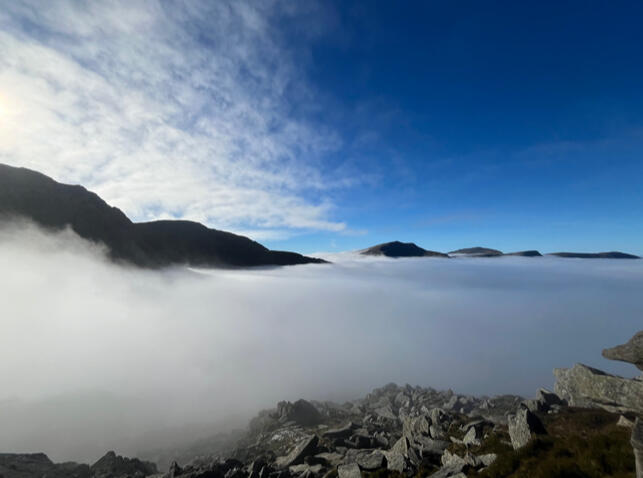
Mountain WalkThere’s something deeply reassuring about stepping into the mountains when your mind has been carrying too much for too long. You don’t have to arrive feeling strong or certain—just willing to take a few steps, at your own pace.
In these landscapes, attention begins to soften. The rhythm of your steps, the openness of the sky, and the steady presence of the natural world help ease the nervous system out of constant alert. Moments of awe, pausing to take in a wide view, the movement of light, the stillness of a forest, can create small but meaningful shifts, allowing the mind to loosen its grip on everyday triggers.
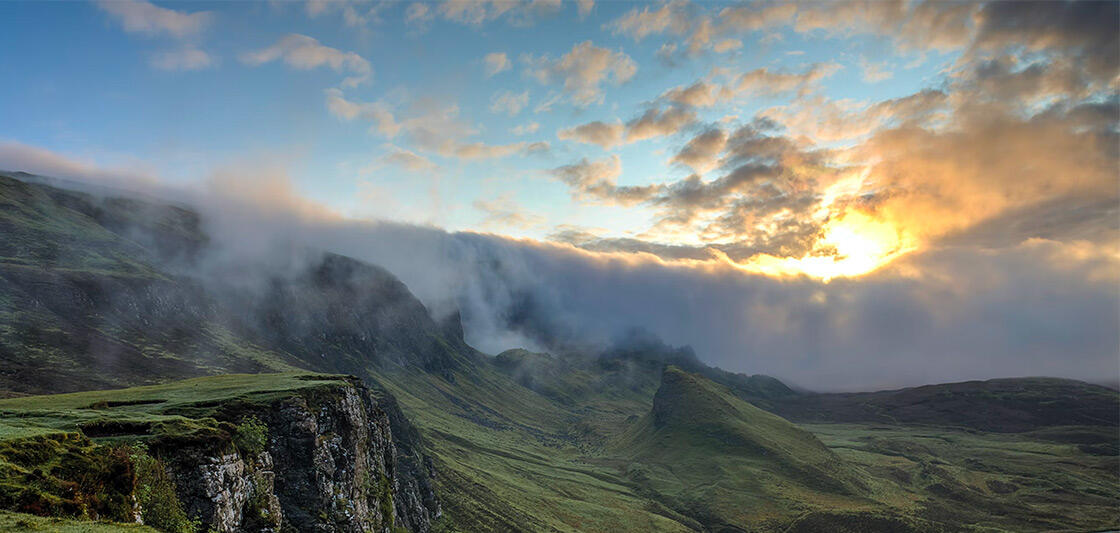
Typical Itinerary: 4-6 hours hiking moderate terrain in various venues including Breacon Beacons, Snowdonia, Edale, Lake District, Nevis Range. Measure of difficulty will vary according the group. Full details will be availbale at time of booking and are location specific.
Gazing at the clear night sky is a truly Awesome Experience. The feeling of being so small in the vastness of nature can have a truly theraputic effect.
What Awe does internally; well it tends to:Quiet the constant “self-story” (ego softens)
It can help Expand perception beyond personal concerns
Create a sense of vastness and perspective
Invite humility and acceptanceIn modern research, this is sometimes described as the “small self” effect.Our Night Sky Experiences run from late August through to late October and offer an optional overnight camp. On occassions we look for and can see the Northern Lights (aurora borealis). Locations include Cranborne Chase Wilts., Winchester South Downs, Breacon Becons and Snowdonia. Other venues can be arranged so get in touch.


Our High Atlas Mountains Expedition is an experience full of Awe. Created to aid recovery from anxiety and trauma and reset our sense of equilibrium, it is a three to five day expedition across the mountains. It is a truly stunning experience of immerison and wonder.
By day, we trek the beautiful and diverse mountain landscape, using expert local guides. By night, we enjoy local culture, eat under the blackest of night skies, being hosted by local Bedouin families.Expeditions can be designed to suit fitness levels and experience. For itinerary and availability please click below.
Thank you for booking your call - you have taken the first step on your journey back to Nature